
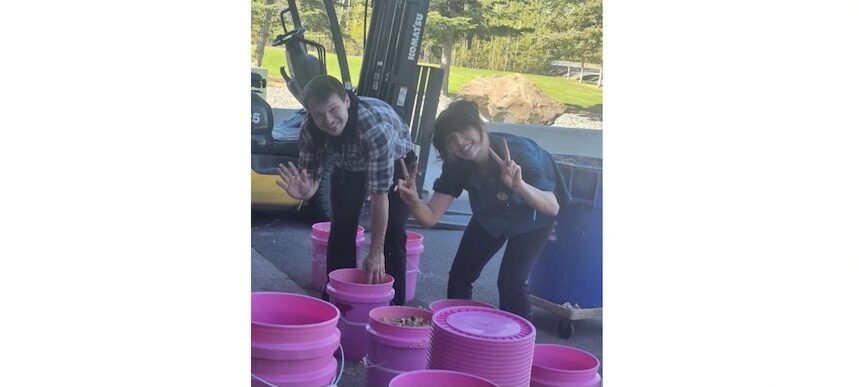
Copper River Princess Wilderness Lodge Diverts 6,600 Lbs of Food
Copper River Princess Wilderness Lodge has diverted 6,600 pounds of food scraps to Alaskan farmers through a new pink bucket composting and feed program.
The Copper River Princess Wilderness Lodge diverted more than 6,600 pounds of food scraps to local Alaskan farmers and composters this summer through a grassroots waste reduction program.
The Pink Bucket Program: Scaling Local Waste Diversion
What began as a small initiative to connect the lodge’s kitchen with the surrounding community has rapidly expanded. The program, spearheaded by food and beverage supervisor Bella Webb, initially utilized 20 pink buckets dedicated specifically to pig feed. However, as demand from local residents outpaced supply, the lodge increased its capacity to 40 buckets.
Currently, the operation includes eight buckets dedicated to compost scraps and has completed eight pickup days so far this season. The initiative has gained traction with 11 local residents and farmers who utilize different types of waste: some collect produce trimmings and coffee grounds for composting, while others repurpose leftover food for livestock.
To maintain organization, the lodge team manages the logistics manually. Staff members use a notebook to track farmer names, the weight of the scraps, and the specific bucket numbers used each day. This hands-on approach extends to the cleanup process, as local farmers wash and return the pink buckets to the lodge, a routine that has become a point of pride for the partnership.
Connecting the Kitchen to the Community
This localized effort serves as a micro-application of Carnival Corporation’s broader “Less Left Over” strategy. While Carnival Corp utilizes sophisticated technology to manage food waste across its massive fleet—including major brands like Princess Cruises, Holland America Line, and Cunard—the Copper River program demonstrates how high-tech corporate goals can be met through low-tech, community-based solutions.
“It has been fun seeing the composters look forward to the coffee grounds and hearing stories about the pigs getting excited when they see a pink food bucket coming their way,” Webb explained.
For travelers who often arrive in the region via Anchorage International Airport (ANC) before heading into the wilderness, these localized programs offer a tangible way to see sustainability in action. Because the Copper River area is remote, managing waste is a significant logistical hurdle; by partnering with neighbors, the lodge avoids the high carbon cost of transporting waste to centralized facilities.
Planning an Eco-Conscious Alaskan Adventure
For travelers looking to minimize their environmental footprint while exploring the Alaskan wilderness, consider the following tips:
- Prioritize Localized Lodging: Look for properties that participate in circular economy practices, such as composting or local food sourcing, which reduce the need for long-distance waste transport.
- Support Regional Partnerships: When booking land tours through providers like Princess Cruises, inquire about the sustainability initiatives of the specific lodges included in your itinerary.
- Reduce Single-Use Waste: Given the logistical challenges of waste management in remote areas like Copper River, travelers are encouraged to bring reusable water bottles and containers to help ease the burden on local ecosystems.
- Research Brand Commitments: Travelers can look for brands under the Carnival Corporation umbrella to find integrated sustainability programs that span from sea to land.